7621 Oakmont Blvd, Fort Worth, TX 76132, United States

(817) 767-0404

Mira Vista Logo
  • Home
  • About Us
    • Meet Our Team
    • Our Dental Technology
  • Services
    • General Dentistry
      • Childrens Dentistry
      • Dental Cleaning And Exams
      • Dental Sealants
      • Digital X-Rays
      • Oral Cancer Screening
      • Pediatric Dentistry
      • Sedation Dentistry
      • Tooth Fillings
    • Cosmetic Dentistry
      • Cosmetic Tooth Bonding
      • Dental Bridges
      • Dental Crowns
      • Dental Veneers
      • Gum Contouring
      • Invisalign
      • Teeth Whitening
    • Emergency Dentistry
      • Oral Surgery
      • Tooth Extractions
    • Restorative Dentistry
      • Dental Implants
      • Dentures
      • Endodontics
      • Gum Grafts
      • Periodontal Gum Disease
      • Orthodontics
      • TMJ Treatment
      • Root Canal Therapy
      • Scaling and Root Planing
      • Traditional Braces
  • Service Areas
    • Fort Worth, TX
    • Forest Hill, TX
    • Overton Park, TX
    • Westover Hills, TX
    • Benbrook, TX
    • Edgecliff Village, TX
    • Tanglewood, TX
    • Westworth Village, TX
    • Bellaire Park North, TX
    • Mira Vista, TX
    • Ridglea Hills, TX
  • New Patients
    • Financing & Insurance
    • Special Offers
    • New Patient Forms
  • Blog
  • Contact
Book An Appointment
  • Digital X-rays benefits: Why Choose Them?

    Digital X-rays benefits: Why Choose Them?

    Are you wondering about Digital X-rays benefits: Why Choose Them? Digital X-rays offer enhanced image quality and faster processing times, allowing for a more efficient evaluation. They also reduce radiation exposure compared to traditional methods, making them a safer option in various settings.

    Enhanced Image Quality for Clarity

    One of the primary advantages of digital X-rays is their ability to produce high-quality images that significantly enhance diagnostic accuracy. Unlike traditional film-based X-rays, digital versions capture detailed images that can be instantly viewed and manipulated by healthcare professionals. This enhanced clarity allows for a more precise assessment of the medical condition being examined, ensuring that nothing is overlooked.

    The superior image quality of digital X-rays not only supports better diagnosis but also contributes to a more streamlined medical process. As the images are digital, they can be easily shared among specialists without the degradation of quality that often occurs with physical film copies. For more information on their safety aspects, you can read about Digital X-rays Safety: Are They Safe?

    Digital X-rays Benefits: Why Choose Them?

    One of the standout advantages of digital X-rays is their quick processing time. Traditional film X-rays require physical development in a darkroom, involving chemicals and waiting periods. In contrast, digital X-rays are available almost instantaneously after the image is captured. This rapid processing not only saves time but also streamlines the workflow in settings where they are utilized, allowing for more efficient handling of tasks.

    The efficiency of digital X-rays can significantly reduce the duration of appointments and waiting times. This is particularly beneficial in environments where time is of the essence and quick decision-making is crucial. For more information on how these systems are implemented locally, visit Fort Worth Digital X-Ray Services, highlighting how digital X-rays benefits contribute to more effective and expedient care.

    Reduced Radiation Exposure

    Digital X-rays are known for their ability to significantly reduce radiation exposure compared to traditional film X-rays. This advancement in technology enhances the safety of diagnostic procedures by minimizing the amount of radiation patients are exposed to during their examinations. Reduced radiation is a crucial benefit, particularly for individuals who require frequent imaging, as it helps to decrease the potential risks associated with accumulated radiation dose over time.

    Environmentally Friendly Option

    Digital X-rays are increasingly recognized for their environmentally friendly benefits, making them a preferred choice in modern dental practices. Unlike traditional film-based X-rays, digital X-rays do not require chemical processing, which involves the use of harmful substances that can be detrimental to the environment. This reduction in chemical waste contributes significantly to a greener and more sustainable practice. Additionally, digital X-rays produce less physical waste since there’s no need for film or film packets, further minimizing their environmental impact. For those seeking dental services that consider ecological sustainability, Mira Vista Dental Associates is a notable Fort Worth Dentist that utilizes these advanced technologies.

    Easy Storage and Access

    One of the standout Digital X-rays benefits is its easy storage and access. Unlike traditional film x-rays, digital versions can be stored electronically, eliminating the need for physical space and reducing the risk of damage or loss. This digital format allows healthcare providers to easily access and share x-ray images with colleagues and patients, facilitating faster diagnosis and more coordinated care. Additionally, the ability to quickly retrieve and review past images enhances the efficiency of patient treatment and monitoring, making digital x-rays an invaluable tool in modern medical practices.

    Immediate Results for Faster Decisions

    One of the standout Digital X-rays benefits is the ability to deliver immediate results, which significantly accelerates the decision-making process in medical settings. Unlike traditional film X-rays that require time for development, digital X-rays produce images instantaneously. This rapid turnaround not only enhances efficiency but also allows healthcare providers to diagnose and respond to patient needs with unprecedented speed. Consequently, patients receive quicker treatments, leading to improved outcomes and enhanced patient satisfaction. This immediacy is particularly crucial in emergency situations where every second counts.

    Versatile Applications Across Fields

    Digital X-rays offer a multitude of benefits that extend across various fields, making them a superior choice for professionals in healthcare, dentistry, veterinary practices, and even industrial applications. One of the key digital X-rays benefits is their versatility. In medical settings, they provide clearer, more detailed images that assist in accurate diagnoses and tailored treatment plans. Dentists use digital X-rays to precisely detect oral health issues, while veterinarians benefit from them for a quick diagnosis in animals, which is crucial for effective treatment. In industrial sectors, digital X-rays are essential for non-destructive testing and ensuring the integrity of materials and structures. This wide-ranging applicability underscores the importance of adopting digital X-ray technology in diverse professional landscapes.

    Improved Diagnostic Accuracy

    One of the standout Digital X-rays benefits is the improved diagnostic accuracy they offer. Unlike traditional film x-rays, digital x-rays provide clearer, more detailed images that can be easily enhanced and zoomed in on, allowing for better visualization of bones, tissues, and organs. This high level of detail significantly aids healthcare professionals in making more accurate diagnoses, reducing the likelihood of misinterpretation and subsequent treatment errors. With digital x-rays, medical practitioners can detect abnormalities and issues at an earlier stage, leading to more effective and timely medical interventions.

    Streamlined Workflow in Practices

    One of the standout Digital X-rays benefits is the streamlined workflow they introduce in medical and dental practices. By adopting digital X-ray technology, healthcare facilities can significantly reduce the time it takes to capture and analyze diagnostic images. Unlike traditional film X-rays, digital versions are available immediately, eliminating the need for physical storage and reducing the steps involved in retrieving patient data. This efficiency not only speeds up patient throughput but also enhances the overall productivity of the practice, allowing medical professionals to focus more on patient care and less on administrative tasks.

    Conclusion

    Exploring the benefits of Digital X-rays can be enlightening. For further inquiries, feel free to call us at 817-370-7776 or read our reviews on Google Maps.
    Kickstart

    July 9, 2024
  • Digital X-rays safety: Are They Safe?

    Digital X-rays safety: Are They Safe?

    Are Digital X-rays safe, and what should you know about their use in modern diagnostics? Digital X-rays utilize lower radiation doses compared to traditional film X-rays, making them a safer choice in many medical settings. They provide quick and detailed images that assist healthcare professionals in accurately diagnosing various conditions.

    Digital X-rays Safety: Understanding Radiation Levels

    When discussing the safety of digital X-rays, it’s crucial to consider the radiation levels involved. Digital X-rays emit a form of electromagnetic radiation necessary for capturing images of the body’s internal structures. Compared to traditional film X-rays, digital X-rays generally use lower levels of radiation. This reduction is due to the enhanced sensitivity of digital detectors, which can capture detailed images with smaller amounts of radiation. However, the exact amount of radiation exposure can vary depending on the type of digital X-ray procedure and the equipment used.

    The concern about radiation is understandable, given its potential risks. However, it’s important to note that the levels used in digital X-ray imaging are designed to be as low as reasonably achievable while still providing sufficient image quality for diagnostic purposes. Regulatory bodies and health organizations continuously monitor and regulate these levels to ensure patient safety. For more detailed information on what to expect during such procedures, you might consider reading about Digital Dental X-rays: What to Expect.

    Comparing Digital and Traditional X-rays

    When discussing the safety of X-ray technology, it’s essential to understand the differences between digital and traditional X-rays. Traditional X-rays, which have been used for decades, produce images on photographic film. This process requires chemical processing and can take time to develop, which might extend the patient’s exposure to radiation. On the other hand, digital X-rays capture images electronically, which not only reduces the time needed to view the images but also significantly decreases the radiation exposure.

    Digital X-rays offer several advantages over their traditional counterparts, primarily due to the efficiency of capturing and processing the images. Since digital images are available almost immediately, they can be viewed on a computer screen right in the examination room. This immediacy allows for quicker assessments and adjustments if additional images are necessary. Furthermore, digital X-rays can be enhanced and easily shared among healthcare providers, improving communication and patient care. Explore Digital X-Rays in Fort Worth.

    Regulatory Standards for X-ray Equipment

    When discussing digital X-rays safety, it’s crucial to consider the regulatory standards that govern the use of X-ray equipment. These standards are designed to ensure that all X-ray devices, including digital systems, are used in a manner that minimizes risk and maximizes safety for both patients and healthcare providers. Regulatory bodies across various countries have established guidelines and requirements that must be adhered to by manufacturers and medical facilities. These regulations cover aspects such as radiation doses, equipment maintenance, and operational protocols, ensuring that every precaution is taken to maintain safety in medical imaging.

    Common Uses of Digital X-rays

    Digital X-rays are a pivotal tool in modern medical diagnostics, offering detailed images that assist healthcare professionals in accurately assessing and monitoring various conditions. Commonly utilized in fields such as dentistry, orthopedics, and mammography, digital X-rays allow for a quicker and more efficient examination process compared to traditional film X-rays. This technology is particularly valued for its ability to provide immediate imaging results, which is crucial in emergency medicine and surgical planning. Despite concerns about radiation exposure, digital X-rays are designed to minimize risks, making them a safer choice in many medical scenarios. For those seeking dental services, Mira Vista Dental Associates, a Fort Worth Dentist, utilizes digital X-ray technology to enhance diagnostic precision while prioritizing patient safety.

    Patient Exposure: Digital X-ray Facts

    When discussing digital X-rays safety, it’s essential to consider the facts surrounding patient exposure. Digital X-rays are a modern technology used widely in various medical fields to provide detailed images of the internal structures of the body. This method is known for its efficiency in capturing high-quality images. The level of radiation exposure from digital X-rays is generally lower compared to traditional film X-rays, primarily due to the sensitivity of the digital detectors, which can capture detailed images with smaller doses of radiation. This characteristic contributes to the ongoing discussions about the safety and utility of digital X-rays in medical diagnostics.

    Safety Features in X-ray Machines

    When discussing digital X-rays safety, it’s crucial to highlight the advanced safety features integrated into modern X-ray machines. These devices are designed with numerous protective measures to minimize radiation exposure and enhance patient safety. For instance, digital X-ray systems often include highly sensitive detectors that require significantly less radiation to produce a clear image compared to traditional film X-rays. Additionally, they are equipped with precise control systems that allow for targeted imaging, reducing unnecessary exposure to other areas of the body. With these innovations, digital X-rays not only improve diagnostic capabilities but also ensure a safer experience for patients.

    Digital X-ray Image Processing

    Digital X-ray image processing has significantly advanced the field of radiography, enhancing both the efficiency and safety of diagnostic procedures. This technology allows for immediate image preview and availability, reducing the time patients spend exposed to radiation. Moreover, digital X-rays can be adjusted and enhanced after capture, which often eliminates the need for repeat exposures. Such improvements not only streamline the diagnostic process but also contribute to digital X-rays’ safety, ensuring that patients receive the lowest radiation dose necessary for accurate diagnosis. This is crucial in minimizing health risks while providing high-quality medical imaging.

    Environmental Impact of Digital X-rays

    Digital X-rays, while pivotal in modern diagnostics, also raise questions about environmental safety. When considering Digital X-rays safety, it’s essential to evaluate their environmental impact compared to traditional film-based X-rays. Digital X-rays eliminate the need for chemical processing, which involves harmful substances that can be detrimental to the environment. Additionally, they reduce waste associated with film packets and lead shields. This digital method not only minimizes the disposal of toxic chemicals but also lessens the carbon footprint associated with the production and disposal of physical films. Thus, Digital X-rays represent a safer, more sustainable option, aligning with eco-friendly healthcare practices.

    Long-term Safety Studies and Findings

    When considering digital X-rays safety, long-term studies and findings play a crucial role in understanding their impact on health. Extensive research has consistently shown that digital X-rays emit significantly lower levels of radiation compared to traditional film X-rays. This reduction in exposure helps minimize any potential risks associated with radiation, making them a safer choice for both patients and healthcare providers over time. Furthermore, ongoing advancements in digital radiography technology continue to enhance safety features, ensuring that digital X-rays remain a reliable and secure diagnostic tool.

    Conclusion

    For further inquiries on digital X-rays safety, please call us at 817-370-7776 or read our reviews on Google Maps.

    Kickstart

    July 9, 2024
  • Digital dental X-rays: What to Expect

    Digital dental X-rays: What to Expect

    Are you wondering what to expect from digital dental X-rays? This type of imaging is a modern tool used by dentists to get a clearer view of your teeth and gums, helping them assess your oral health effectively. Digital dental X-rays are quick and generally involve less exposure to radiation compared to traditional methods.

    Digital Dental X-rays: Overview

    Digital dental X-rays are a modern tool used extensively in dentistry to provide a detailed view of a patient’s teeth, gums, and oral structures. This technology allows dentists to diagnose problems that are not visible during a regular dental examination, such as early-stage tooth decay, gum disease, and other oral health issues. Digital dental X-rays are known for their efficiency and safety; they require significantly less radiation exposure compared to traditional film X-rays, making them a safer choice for patients and a more environmentally friendly option.

    The process of getting digital dental X-rays is quick and comfortable. Patients will be asked to bite down on a special piece of equipment while the X-ray machine captures images of specific sections of their mouth. The images are instantly available for review, which means any potential issues can be addressed promptly. This immediacy not only enhances the effectiveness of diagnostic procedures but also contributes to a more streamlined dental visit. For more information on the costs associated with this procedure, visit Dental X-rays cost: What to Know.

    Common Uses for Digital X-rays

    Digital dental X-rays are a fundamental tool in modern dentistry, providing dentists with invaluable insights into the health and condition of a patient’s teeth, gums, and jawbone. These high-resolution images allow for a clearer and more detailed view than traditional X-rays, making them essential in diagnosing various dental issues. Commonly, digital dental X-rays are used to identify cavities, monitor tooth growth and development, and assess the health of the bone around the teeth. They are also crucial in planning orthodontic treatments and other dental procedures that require precise alignment and placement.

    The versatility and efficiency of digital dental X-rays make them an indispensable part of dental diagnostics. By allowing for immediate viewing and easy sharing among dental professionals, they facilitate a more coordinated and effective approach to dental care. For those seeking Digital X-ray solutions in Fort Worth, understanding the common uses of these tools can help in appreciating their importance in maintaining oral health.

    Safety Measures During X-ray Procedures

    When undergoing digital dental X-rays, various safety measures are implemented to ensure the well-being of patients. These procedures are designed to minimize exposure to radiation, utilizing the latest technology to enhance safety. The settings and protocols used during digital dental X-rays are carefully regulated to adhere to health and safety standards, providing reassurance about the safety of these diagnostic tools.

    Differences Between Digital and Traditional X-rays

    Digital dental X-rays and traditional X-rays serve the same fundamental purpose of examining dental health, but they differ significantly in their approach and technology. Traditional X-rays use film to capture images, which then require chemical processing to develop, often taking longer to view results. In contrast, digital dental X-rays capture images electronically and display them on a computer screen almost instantly. This digital process reduces the amount of radiation exposure to patients, as digital systems typically use up to 90% less radiation than traditional film X-rays. Additionally, digital images can be enhanced and easily shared, improving communication between dental professionals. For those seeking dental services, Mira Vista Dental Associates offers a comfortable environment where you can learn more about the benefits of Fort Worth Dentist.

    Preparing for a Digital Dental X-ray

    When scheduling an appointment that includes digital dental X-rays, individuals can generally expect a straightforward process. Digital dental X-rays are a modern tool used in dental diagnostics that provide detailed images of teeth, gums, and other oral structures. This technology assists in identifying issues that may not be visible during a regular dental examination. The procedure is typically quick and involves minimal preparation from the patient, making it an efficient option for both dentists and patients seeking to maintain optimal oral health.

    What Happens During the X-ray Process

    When you undergo digital dental X-rays, the process is quick and straightforward, ensuring minimal discomfort. Initially, you’ll be asked to sit on a chair and wear a lead apron to protect against radiation. The dental technician will then position a small, flat sensor in your mouth, which captures the X-ray images of your teeth. This sensor is connected to a computer that immediately processes the images. Throughout the procedure, you might be asked to bite down on a piece of plastic to help align the teeth properly for clear images. The entire process typically takes only a few minutes, after which your dentist will have a detailed view of your dental structure, aiding in accurate diagnosis and treatment planning.

    Interpreting Digital X-ray Results

    When you undergo digital dental X-rays, understanding the results is crucial for effective treatment planning. Your dentist will analyze these high-resolution images to detect any hidden issues within your teeth and jaw that aren’t visible during a regular examination. Digital dental X-rays provide a detailed view of different structures, including bones, roots, and even early signs of decay. This advanced technology allows for a more accurate diagnosis and helps in crafting a tailored treatment strategy. By reviewing these images, your dentist can explain the condition of your oral health more comprehensively and discuss the next steps in your dental care journey.

    Frequency of Digital Dental X-rays

    When it comes to maintaining optimal oral health, understanding the frequency of digital dental X-rays is crucial. Generally, the frequency at which you should have digital dental X-rays taken depends on your individual dental health needs. For new patients, dentists often recommend X-rays to establish a baseline of oral health. Thereafter, digital dental X-rays are typically suggested every six to twenty-four months, depending on existing dental conditions, age, risk for disease, and any signs of oral disease. Regular digital dental X-rays allow dentists to monitor your oral health closely and detect any changes early, ensuring timely and effective treatment.

    Environmental Impact of Digital X-rays

    Digital dental X-rays represent a significant advancement not only in dental technology but also in reducing environmental impact. Unlike traditional film-based X-rays, digital X-rays do not require chemical processing, which involves the use of harmful substances like lead and silver, which can be detrimental to the environment. By eliminating the need for these chemicals, digital dental X-rays reduce hazardous waste and decrease water pollution. Furthermore, they consume less energy since there is no need for film processing equipment, making digital dental X-rays a more sustainable and eco-friendly option in modern dentistry.

    Conclusion

    For more information on Digital dental X-rays, feel free to call us at 817-370-7776 or read our reviews on Google Maps.

    Kickstart

    July 9, 2024
  • Dental X-rays cost: What to Know

    Dental X-rays cost: What to Know

    Are you wondering about the factors that influence dental X-rays cost? Dental X-rays are a common diagnostic tool used by dentists to get a clear view of your teeth and jawbone. The cost can vary widely depending on the type of X-ray needed and the location where the service is provided.

    Types of Dental X-rays

    Understanding the types of dental X-rays can help you better comprehend the factors influencing dental X-rays cost. The most common types include intraoral X-rays, the most frequent type, which provide a lot of detail and allow dentists to find cavities, check the health of the tooth root and bone surrounding the tooth, assess the status of developing teeth, and monitor the general health of your teeth and jawbone. Extraoral X-rays, on the other hand, focus on the jaw and skull and are used for detecting impacted teeth, monitoring the growth and development of the jaws in relation to the teeth, and identifying potential problems between teeth and jaws.

    Panoramic X-rays offer a broad view of the entire area of the mouth and are particularly useful for planning treatment in cases of extraction or braces. Each type of X-ray serves a specific purpose, which can affect the overall dental X-rays cost depending on the complexity and the type required. For more detailed insights into how technology is advancing in this field, you might want to read about Digital X-ray Technology: Latest Advances.

    Factors Influencing Dental X-rays Cost

    The cost of dental X-rays can vary widely depending on several factors. One of the primary determinants is the type of X-ray required. Different diagnostic needs require different types of X-rays, such as bitewing, panoramic, or periapical, each varying in complexity and price. Geographic location also plays a crucial role; dental practices in urban areas tend to charge more due to higher operational costs compared to those in rural areas. Additionally, the dental X-rays cost can be influenced by the technology used. Advanced digital X-ray systems may carry a higher price tag than traditional film X-rays due to the enhanced imaging quality and faster processing times they offer.

    Another significant factor is whether the patient has dental insurance that covers X-rays. Insurance policies vary greatly, with some covering a substantial portion of X-ray costs while others may cover none at all, leaving the patient to pay out-of-pocket. The dentist’s experience and the facility’s amenities can also impact the price, with more established practitioners and well-equipped clinics often charging more for their services. For those seeking state-of-the-art dental imaging solutions in Texas, consider visiting Fort Worth Advanced Digital X-Rays.

    Average Cost Range

    When considering dental care, understanding the dental X-rays cost is crucial for budgeting purposes. Generally, the average cost range for dental X-rays varies significantly depending on factors such as the type of X-ray, the location of the dental clinic, and regional cost variations. While some dental practices may include the cost of X-rays in a comprehensive treatment package, others may charge separately for this diagnostic procedure. It’s important for individuals to consider these variables when evaluating the overall expenses associated with dental health maintenance.

    Insurance Coverage Variability

    The cost of dental X-rays can significantly vary depending on your insurance plan. Each insurance provider has different policies regarding what portion of dental X-ray costs they cover, if any. Some plans may cover dental X-rays as part of routine preventive care, while others might only cover them if they are deemed medically necessary. It’s important to review your specific insurance benefits to understand what is covered and what your potential out-of-pocket expenses might be. For those seeking dental services, Mira Vista Dental Associates is a notable Fort Worth Dentist that provides a range of dental care options.

    Frequency of Dental X-rays

    The frequency of dental X-rays varies depending on individual health needs and the guidelines set by dental professionals. Generally, dentists assess factors such as age, oral health status, and risk for dental disease to determine how often X-ray examinations are necessary. Regular dental visits allow professionals to monitor oral health and decide the appropriate intervals for taking X-rays to ensure comprehensive care while minimizing exposure.

    Pediatric vs Adult X-ray Costs

    When considering the cost of dental care, it’s important to understand how dental X-rays cost can vary between children and adults. Pediatric dental X-rays generally tend to be less expensive than those for adults due to the smaller size of children’s mouths and the fewer X-rays required. Additionally, pediatric dentists often have packages that include X-rays at a reduced rate as part of routine check-ups. In contrast, adult dental X-rays might involve more comprehensive imaging to assess issues like bone loss, impacted teeth, or complex root structures, which can increase the overall cost. Whether scheduling for yourself or your child, it’s advisable to consult with your dental provider about the specific needs and associated costs.

    Emergency Dental X-ray Expenses

    When facing a dental emergency, understanding the potential costs involved is crucial, especially for services like X-rays. Emergency dental X-ray expenses can vary significantly based on the clinic’s location, the type of X-ray required, and whether you have insurance coverage. Typically, dental X-rays cost more in emergency situations due to the immediate service and additional resources needed. It’s advisable to check with your dental insurance provider to understand what part of the emergency X-ray cost might be covered and what you will need to pay out-of-pocket, helping you manage your finances better during unexpected dental issues.

    Geographic Cost Differences

    When considering the cost of dental X-rays, it’s important to recognize that prices can vary significantly depending on your location. In urban areas, where the cost of living and operational expenses for dental clinics are typically higher, you might find that dental X-rays cost more compared to rural areas. Additionally, different states or regions may have varying price ranges due to local economic conditions, competition among clinics, and the availability of dental services. Always check with local dental offices to get a precise estimate of what dental X-rays might cost in your specific geographic area.

    Payment Options Available

    Understanding the various payment options available can significantly ease your concerns about dental X-rays cost. Most dental clinics offer multiple payment methods including insurance coverage, credit card payments, and installment plans. For those without dental insurance, many offices provide discounts or membership plans that reduce the cost of X-rays and other services. Additionally, some clinics partner with healthcare financing companies to offer flexible payment plans, allowing you to spread the cost over time. Always inquire directly with your dental provider about the best payment option to suit your financial situation and help manage the costs of your dental care effectively.

    Conclusion

    For more information on Dental X-rays cost, please call us at 817-370-7776 or read our reviews on Google Maps.

    Kickstart

    July 9, 2024
  • Digital X-rays technology: Latest Advances

    Digital X-rays technology: Latest Advances

    Are you curious about how Digital X-rays technology is evolving in the modern medical landscape? Recent advancements have significantly enhanced image quality and reduced exposure times, making diagnostic processes quicker and more efficient. These improvements are pivotal in aiding healthcare professionals to achieve more accurate diagnoses and better patient outcomes.

    Digital X-rays Technology: Enhanced Image Quality and Resolution

    Digital X-rays technology has significantly evolved, offering enhanced image quality and resolution that surpasses traditional film-based systems. This advancement is crucial in various fields, particularly in medical diagnostics, where clearer and more detailed images allow for better analysis and understanding of the human body. The improved resolution helps in identifying minute details, making it easier for professionals to detect abnormalities at earlier stages.

    The shift from analog to digital systems in X-ray technology not only enhances image quality but also contributes to faster processing times, thereby streamlining workflow in busy environments. As digital images can be easily stored and shared electronically, the efficiency of medical procedures and patient care has greatly improved. For a deeper understanding of how this technology works, consider reading Digital X-rays explained: A Quick Guide.

    Reduced Radiation Exposure Techniques

    One of the significant advancements in digital X-rays technology is the development of reduced radiation exposure techniques. These innovations are crucial as they help minimize the amount of radiation patients are exposed to during diagnostic procedures. The focus on reducing radiation is a response to growing awareness and concern over the potential long-term effects of radiation exposure. By leveraging more sensitive digital detectors and sophisticated software algorithms, modern digital X-ray systems can capture detailed images with significantly less radiation compared to traditional methods.

    The evolution of digital X-rays technology continues to enhance the safety and effectiveness of radiographic diagnostics. With ongoing research and development, these systems are becoming increasingly refined, ensuring that the balance between image quality and radiation safety is optimized. If you’re considering utilizing these advanced diagnostic tools, you might want to Book Your Fort Worth Digital X-Ray.

    Portable Digital X-ray Systems

    Portable digital X-ray systems represent a significant advancement in digital X-rays technology, enhancing the flexibility and efficiency of diagnostic imaging. These systems are designed to be easily transported and used in various settings, from hospital rooms to remote clinics, facilitating immediate medical evaluation. The mobility of these devices supports a wide range of medical professionals in achieving quicker, more accurate diagnoses without the constraints of traditional, stationary X-ray equipment. This adaptability not only improves patient care but also expands the capabilities of healthcare providers to meet diverse clinical needs.

    Integration with Telemedicine Platforms

    The evolution of digital X-rays technology has seamlessly aligned with the growth of telemedicine platforms, enhancing the capabilities of remote diagnostics and patient management. This integration allows healthcare providers to access and review digital X-rays from virtually anywhere, facilitating timely consultations and discussions among specialists without the need for physical transfer of images. Such advancements in digital X-ray technology not only streamline the process but also expand the reach of medical services to underserved areas. For those seeking dental services, Mira Vista Dental Associates exemplifies how Fort Worth Dentist can leverage these technologies to improve patient care.

    Real-Time Imaging Processing Algorithms

    Real-Time Imaging Processing Algorithms are a significant advancement in the field of digital X-rays technology. These sophisticated algorithms enhance the speed and accuracy of image processing, allowing for clearer and more detailed visualizations of internal structures in real-time. This development in digital X-rays technology supports a wide range of applications, improving the efficiency of diagnostic procedures and contributing to more informed decision-making in various medical contexts. The integration of these algorithms represents a pivotal step forward in the evolution of medical imaging technology.

    Advances in Pediatric Imaging Technology

    The realm of pediatric imaging has seen significant enhancements thanks to the latest advances in digital X-rays technology. This modern approach not only reduces the exposure time to radiation, crucial for the safety of young patients, but also provides clearer, more detailed images that are essential for accurate diagnoses. Innovations such as faster image processing and enhanced digital storage capabilities allow healthcare providers to access and share diagnostic information more efficiently, leading to quicker treatment decisions and improved patient outcomes. These technological advancements are transforming pediatric care, making digital X-rays an indispensable tool in children’s healthcare diagnostics.

    Cloud Storage for X-ray Data

    The integration of cloud storage solutions in Digital X-rays technology marks a significant advancement in the medical imaging field. By leveraging cloud storage, healthcare providers can now store, access, and manage vast amounts of X-ray data more efficiently than ever before. This technology not only enhances the accessibility of medical images from remote locations but also significantly reduces the costs associated with data storage and maintenance. Furthermore, cloud storage ensures that X-ray data is securely backed up, protecting it against local hardware failures and ensuring compliance with medical data protection regulations. This development in Digital X-rays technology is transforming diagnostic practices, making patient data management both safer and more streamlined.

    Artificial Intelligence in Image Analysis

    The integration of Artificial Intelligence (AI) in image analysis has marked a significant leap in the field of digital X-rays technology. AI algorithms are now capable of providing more accurate and rapid interpretations of X-ray images, enhancing diagnostic precision and patient outcomes. This technology not only speeds up the process by analyzing vast amounts of data in seconds but also identifies subtle patterns that may be overlooked by human eyes. As AI continues to evolve, its application in digital X-rays technology promises to revolutionize medical imaging by improving the efficiency and accuracy of diagnostics across various medical fields.

    Environmental Impact of Digital X-rays

    The shift towards Digital X-rays technology marks a significant step forward in reducing the environmental footprint of diagnostic imaging. Unlike traditional film-based X-rays, digital systems do not require chemicals for developing images, which helps in minimizing the hazardous waste associated with radiographic processes. Furthermore, digital X-rays can be viewed instantly, reducing the need for multiple exposures and thus decreasing the amount of radiation used. This not only enhances patient safety but also contributes to a lower environmental impact. By leveraging advanced digital imaging technologies, healthcare providers can achieve more accurate diagnoses while supporting sustainable practices.

    Conclusion

    Digital X-rays technology continues to evolve, shaping the future of diagnostic imaging. For further inquiries, call us at 817-370-7776 or read our reviews on Google Maps.

    Kickstart

    July 9, 2024
  • Digital X-rays explained: A Quick Guide

    Digital X-rays explained: A Quick Guide

    Have you ever wondered what Digital X-rays Explained: A Quick Guide would cover? This guide provides a straightforward overview of digital X-rays, detailing how they function and their role in modern diagnostics. It simplifies the technical aspects, making it easier to understand how this technology benefits various fields.

    Basics of Digital X-ray Technology

    Digital X-rays, a significant advancement in medical imaging, utilize digital X-ray sensors rather than traditional photographic film. This technology not only speeds up the imaging process but also significantly reduces the amount of radiation exposure to patients. Unlike conventional X-rays, digital versions allow the captured images to be digitally transferred and enhanced for better clarity and detail, facilitating more accurate diagnoses.

    The efficiency of digital X-rays extends beyond quick image processing. The ability to adjust exposure to digital images after they are taken is a notable advantage, which helps reduce the need to retake images and further minimizes radiation exposure. For more detailed insights into how these improvements impact patient care and diagnostic accuracy, you can read about Digital X-rays advantages: Key Benefits. This technology is integral in modern diagnostic procedures, providing clearer, more precise images than ever before.

    Benefits of Digital X-rays explained

    Digital X-rays represent a significant advancement in medical imaging technology. Unlike traditional film-based X-rays, digital versions provide clearer, more detailed images that are crucial for accurate diagnosis. This clarity allows healthcare professionals to observe minute details that might be missed with older methods. Additionally, digital X-rays are explained as a process that involves less radiation exposure to patients, which is a key factor in patient safety during diagnostic procedures.

    Another notable benefit of digital X-rays is the speed and efficiency they offer. Images are available almost immediately after they are taken, eliminating the wait time associated with film development. This expedites the entire diagnostic process, allowing for quicker assessments and potentially faster treatment initiation. For those interested in experiencing these benefits firsthand, consider exploring Quality Digital X-Rays in Fort Worth.

    Common Uses of Digital X-rays

    Digital X-rays, a cornerstone of modern diagnostic procedures, are utilized extensively across various fields of medicine and dentistry. In healthcare, digital X-rays are crucial for examining bone fractures, detecting abnormalities in organs, and aiding in the diagnosis of diseases such as pneumonia and cancer. Dentists rely on this technology to view the health of teeth and the jawbone, helping in the assessment of oral conditions. Beyond medical applications, digital X-rays are also employed in non-destructive testing in engineering to evaluate the integrity of materials without causing damage. Understanding these common uses helps clarify why “Digital X-rays explained” is a topic of significant relevance and interest across multiple disciplines.

    How Digital X-rays Work

    Digital X-rays, a cornerstone of modern dental diagnostics, function by sending a beam of X-ray energy through the body to capture images of the internal structures. Unlike traditional film X-rays, digital versions capture these images on electronic sensors, which immediately convert the data into digital images. This technology allows for quicker viewing and less exposure to radiation. The digital images can be easily enhanced and enlarged for better diagnostic accuracy, making them an invaluable tool in medical and dental practices.

    For those seeking further understanding or consultation, Mira Vista Dental Associates, your trusted Fort Worth Dentist, is well-equipped with the latest in digital X-ray technology.

    Safety Features of Digital X-rays

    Digital X-rays, a modern approach to radiography, incorporate several safety features that enhance their use in medical diagnostics. When exploring how Digital X-rays explain their benefits, it’s crucial to note that they emit significantly lower levels of radiation compared to traditional X-ray methods. This reduction in exposure helps minimize the risk to patients during diagnostic procedures. Furthermore, digital systems provide quicker processing times, which not only speeds up the examination process but also reduces the time a patient is exposed to radiation. These advancements contribute to the overall safety and effectiveness of using Digital X-rays in various medical settings.

    Differences Between Digital and Traditional X-rays

    In our guide “Digital X-rays Explained,” it’s crucial to understand the key distinctions between digital and traditional X-rays. Traditional X-rays, which have been used for decades, require film to capture images, a process that can be time-consuming and involves chemical processing. In contrast, digital X-rays use electronic sensors and require no film, resulting in images that are available almost instantaneously. This not only speeds up the diagnostic process but also significantly reduces the exposure to radiation, as digital X-rays typically use up to 90% less radiation than their traditional counterparts. Additionally, digital images can be enhanced and easily shared, improving communication between healthcare providers for better patient outcomes.

    Environmental Impact of Digital X-rays

    Digital X-rays, a cornerstone of modern diagnostic imaging, offer significant environmental benefits over traditional film-based systems. By eliminating the need for chemical processing and the associated disposal of toxic waste, digital X-rays reduce harmful emissions and pollution. Furthermore, they decrease the consumption of raw materials such as paper and plastic, contributing to a lower carbon footprint. As “Digital X-rays explained” becomes a more common topic in healthcare discussions, it’s important to recognize not only the clinical advantages but also the environmental improvements they bring to medical practices worldwide.

    Future Trends in X-ray Technology

    As we delve deeper into the realm of medical imaging, “Digital X-rays explained” becomes a crucial topic for understanding the evolution of this technology. Future trends in X-ray technology are gearing towards enhancing image quality and reducing exposure to radiation. Innovations such as dual-energy X-ray systems and advanced digital detectors are set to revolutionize diagnostics by providing clearer, more detailed images while minimizing the dose of radiation patients receive. Additionally, the integration of AI and machine learning algorithms promises to improve the accuracy and speed of image analysis, potentially transforming diagnostic procedures by enabling more personalized and precise treatment plans. These advancements signify a significant leap forward in both patient safety and diagnostic accuracy.

    General Maintenance of X-ray Equipment

    Maintaining your digital X-ray equipment is crucial for ensuring consistent performance and longevity. Regular maintenance checks can prevent costly repairs and downtime, enhancing the reliability of your diagnostic tools. From daily cleaning of the equipment surfaces to prevent dust accumulation to scheduling annual inspections by certified technicians, each step is vital. It’s also important to regularly update software to keep up with the latest advancements and security patches. By adhering to a comprehensive maintenance schedule, you can ensure that your digital X-rays explained in this guide continue to provide accurate and efficient results, ultimately supporting better patient outcomes.

    Conclusion

    For further inquiries on Digital X-rays explained, please call us at 817-370-7776 or read our reviews on Google Maps.

    Kickstart

    July 9, 2024
  • Digital X-rays advantages: Key Benefits

    Digital X-rays advantages: Key Benefits

    Are you aware of the Digital X-rays advantages and how they can impact diagnostic procedures? Digital X-rays provide clearer images and faster results compared to traditional methods, enhancing the overall efficiency of medical assessments. They also reduce radiation exposure, making the process safer for patients.

    Digital X-rays advantages

    Digital X-rays have revolutionized the field of medical imaging, offering numerous advantages over traditional film-based methods. One of the primary benefits of digital X-rays is their ability to reduce patient exposure to radiation. This technology uses less radiation to produce an image of similar or better quality than conventional X-rays. Additionally, digital X-rays provide immediate results, eliminating the wait time associated with film processing and thereby speeding up the diagnostic process.

    Another significant advantage is the enhanced image quality that digital X-rays offer. The images produced are clearer and can be manipulated for better visibility of certain areas, aiding in more accurate diagnoses. Moreover, these images can be easily shared among healthcare providers via digital means, facilitating better communication and collaboration in patient care. For more detailed insights into how digital X-rays are utilized across various fields, you might find the article on Digital X-rays uses: Common Applications particularly enlightening.

    How Digital X-rays Work

    Digital X-rays utilize digital sensors instead of traditional photographic film to capture images of the inside of a body. This technology not only speeds up the entire imaging process but also significantly reduces the amount of radiation exposure to patients compared to conventional X-rays. One of the key digital X-rays advantages is the ability to digitally transfer and enhance images, which allows for more precise and efficient assessments by healthcare professionals.

    The images produced by digital X-rays can be viewed instantly on any computer screen, shared easily with other specialists, and stored securely in digital archives without physical space requirements. This efficiency contributes to faster diagnosis and treatment, enhancing overall patient care. For those interested in exploring this technology further, consider learning more about Affordable Fort Worth Digital X-Rays.

    Digital vs. Traditional X-ray Technology

    Exploring the digital X-rays advantages reveals a significant evolution from traditional X-ray technology. Digital X-rays utilize advanced digital sensors instead of traditional photographic film. This change enhances the efficiency of the imaging process, as digital images are available almost instantaneously, reducing the waiting time typically associated with film development in traditional methods. Moreover, digital X-rays produce images with higher resolution, which can be crucial for accurate analysis and evaluation. The ability to adjust and enhance digital images after capture also minimizes the need for repeat scans, potentially reducing exposure to radiation. Overall, the shift from traditional to digital X-ray technology marks a substantial improvement in both diagnostic capabilities and patient experience.

    Safety Measures in Digital X-raying

    Digital X-rays, widely recognized for their efficiency and effectiveness in dental diagnostics, also excel in safety measures compared to traditional methods. One of the key digital X-rays advantages is the significant reduction in radiation exposure, which enhances patient safety during the imaging process. Furthermore, digital X-ray systems often incorporate advanced safety features that help to minimize unnecessary exposure and ensure precise imaging results. These systems are designed to adhere to strict safety standards, providing reassurance to both patients and healthcare providers about the security of the imaging process.

    For those seeking dental services, Mira Vista Dental Associates is known for utilizing advanced imaging technologies like digital X-rays. Learn more about your options with a Fort Worth Dentist.

    Common Uses of Digital X-rays

    Digital X-rays are a pivotal tool in modern diagnostic procedures, widely utilized across various fields of medicine and dentistry to enhance the accuracy of diagnoses. In healthcare, they are commonly used to examine bone fractures, detect abnormalities in the chest and abdomen, and assist in the precise planning of surgical procedures. Dentists often rely on digital X-rays to identify cavities, observe the health of the tooth root and jawbone, and plan orthodontic treatments. Beyond healthcare, digital X-rays are also employed in non-destructive testing in engineering to inspect materials for structural integrity. This technology’s versatility makes it indispensable in many professional practices for ensuring optimal outcomes.

    Interpreting Digital X-ray Results

    One of the significant digital X-rays advantages is the ease and accuracy of interpreting results. Digital X-rays provide clearer and more detailed images compared to traditional film X-rays, allowing healthcare professionals to make more accurate diagnoses quickly. The digital format also enables the use of software tools that can enhance images and highlight areas of concern, facilitating a more thorough analysis. Additionally, digital results can be easily shared with other specialists for consultation, ensuring a comprehensive evaluation of the patient’s condition. This technological advancement notifies quicker patient feedback and more efficient treatment planning.

    Advances in Digital X-ray Technology

    The landscape of medical imaging has been transformed by advances in digital X-ray technology, offering numerous digital X-rays advantages. Modern digital systems provide images of higher quality than traditional film X-rays, allowing for more accurate diagnoses with less exposure to radiation. Additionally, these digital systems enable quick image sharing among healthcare providers, facilitating better communication and faster treatment decisions. The storage of digital images is also more efficient, reducing the need for physical space and enhancing the accessibility of patient records. These improvements not only boost the efficiency of medical procedures but also significantly enhance patient care.

    Cost and Accessibility of Digital X-rays

    One of the most significant digital X-rays advantages is their cost-effectiveness and accessibility. Unlike traditional film X-rays, digital X-rays reduce the need for physical storage space and eliminate the costs associated with film and chemical processing. This makes them a more affordable option over time. Additionally, digital X-rays can be easily accessed and shared electronically among healthcare providers, ensuring that patients receive faster and more coordinated care. This ease of access not only enhances patient outcomes but also streamlines the diagnostic process, saving valuable time and resources.

    Future Trends in X-ray Imaging

    As we explore the digital X-rays advantages, it’s crucial to look ahead at the future trends in X-ray imaging that are set to revolutionize the medical field. Advancements in technology are paving the way for more precise and efficient imaging solutions, enhancing diagnostic accuracy while reducing exposure to radiation. Innovations such as AI integration, portable X-ray devices, and enhanced image processing algorithms are expected to improve patient outcomes and streamline healthcare workflows. These developments not only highlight the ongoing evolution in digital X-ray technology but also reinforce the growing importance of adopting these advanced systems in medical practices worldwide.

    Conclusion

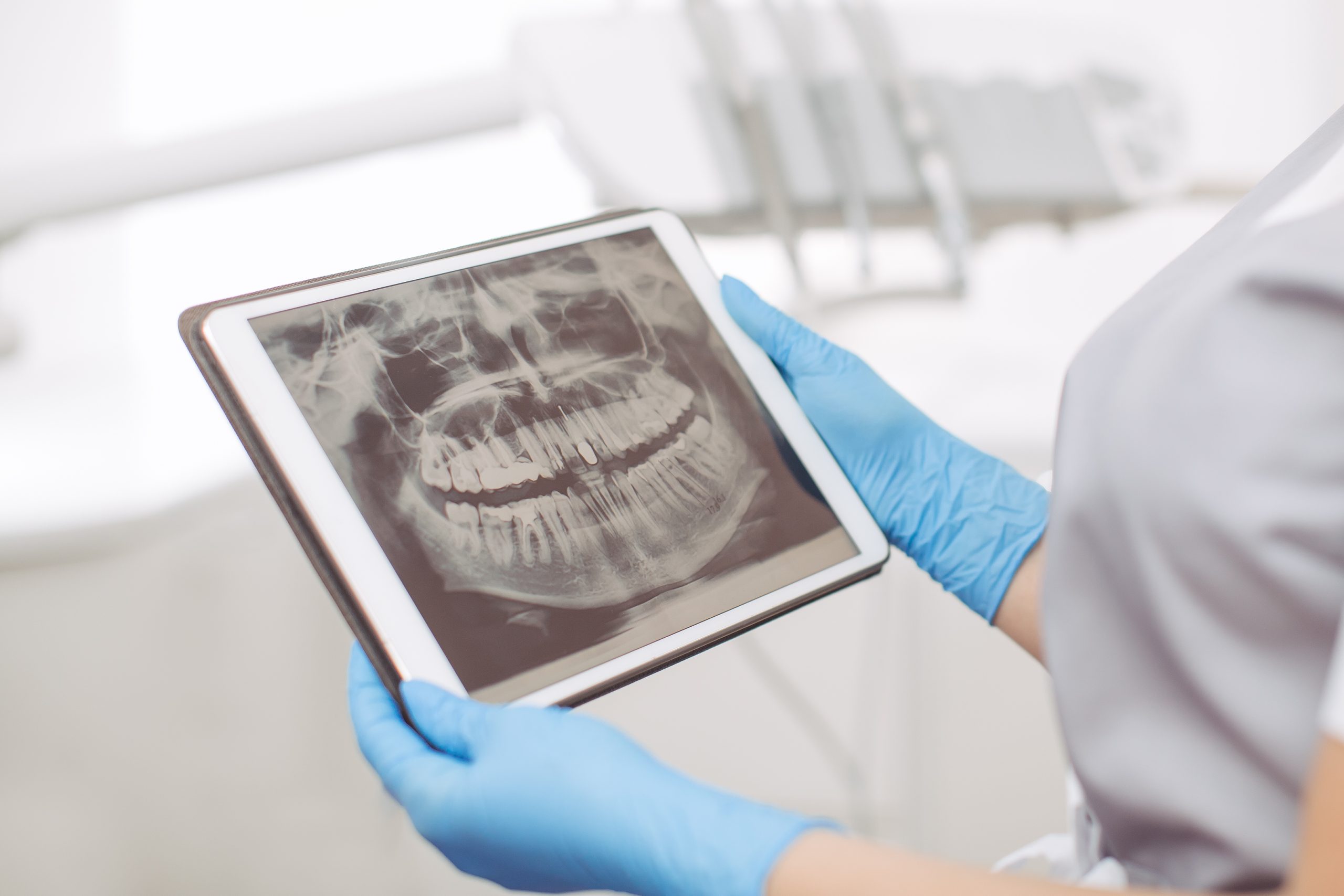
    Exploring the digital X-rays advantages can significantly enhance your understanding of modern imaging technologies. For further inquiries, feel free to call us at 817-370-7776 or read our reviews on Google Maps.
    Kickstart

    July 9, 2024
  • Digital X-rays uses: Common Applications

    Digital X-rays uses: Common Applications

    Are you curious about how Digital X-rays are utilized in various fields? Digital X-rays uses span across medical, dental, and industrial sectors, providing essential insights for diagnostics and quality control. This technology offers a non-invasive peek into complex systems, from human bodies to mechanical structures, enhancing understanding and safety.

    Digital X-rays uses: Common Applications

    Digital X-rays are a significant advancement in diagnostic imaging, offering numerous benefits over traditional film-based methods. One of the primary advantages of digital X-rays is their ability to produce high-quality images with greater detail, which can be crucial in accurately diagnosing various medical conditions. Additionally, these systems allow for immediate image viewing, eliminating the wait time associated with film processing. This immediacy can be particularly beneficial in emergency situations where quick decision-making is critical.

    Another key benefit of digital X-rays is their reduced radiation exposure for patients. Unlike traditional X-ray techniques, digital systems require significantly less radiation to produce an image. This reduction in exposure contributes to patient safety and comfort, making digital X-rays a preferred choice in many medical settings. For more detailed insights into the advantages of this technology, consider exploring Digital X-rays benefits: Why Choose Them?. This resource provides a comprehensive overview of how digital X-rays are transforming diagnostic practices across various fields.

    How Digital X-rays Work

    Digital X-rays, a significant advancement in medical imaging technology, operate by sending a beam of X-rays through the body, which are then captured on a digital detector. This process differs from traditional film X-rays in that it uses digital sensors instead of relying on photographic film. The result is a digital image that can be viewed on a computer screen, shared electronically, and easily stored in digital archives. This technology enhances the efficiency of analyzing and diagnosing various conditions, making it a crucial tool in modern healthcare.

    The versatility and efficiency of digital X-rays make them invaluable in numerous medical fields, highlighting their broad range of applications. From detecting bone fractures and examining injured joints to assisting in the diagnosis of diseases in the chest and abdomen, digital X-rays are integral to modern diagnostic procedures. For those seeking expertise in this area, consider consulting with Digital X-Ray Experts in Fort Worth, who specialize in utilizing this advanced technology effectively.

    Digital vs. Traditional X-ray Technology

    Digital X-rays, a significant advancement in imaging technology, offer several enhancements over traditional X-ray systems. One of the primary digital X-rays uses is in the medical field, where they provide clearer images with less radiation exposure to patients. Unlike traditional X-rays that use film, digital versions capture images electronically, allowing immediate viewing and easier storage and transfer of data. This technology not only speeds up the diagnostic process but also supports a more efficient workflow in various medical settings. The transition from traditional to digital X-ray technology reflects ongoing improvements in both safety and image quality in the healthcare industry.

    Safety Measures in Digital X-raying

    Digital X-rays are a pivotal tool in modern diagnostic procedures, offering enhanced imaging capabilities with significantly reduced radiation exposure compared to traditional film X-rays. Ensuring safety during digital X-raying involves strict adherence to regulatory standards and protocols to minimize risks for both patients and technicians. Facilities that utilize digital X-ray technology are equipped with advanced shielding materials, and operators are trained in optimal positioning techniques to ensure that exposure is limited to the necessary areas. The evolution of digital X-ray technology continues to focus on maximizing diagnostic effectiveness while prioritizing patient safety.

    For more information on how these technologies are applied in professional settings, you might consider consulting with experts like those at Mira Vista Dental Associates, your trusted Fort Worth Dentist.

    Common Uses of Digital X-rays

    Digital X-rays are a pivotal tool in modern diagnostics, offering clearer, faster, and more detailed images than traditional X-ray technology. Common uses of digital X-rays include detecting bone fractures, monitoring the progression of degenerative diseases, and assisting in the diagnosis and treatment of dental issues. They are also extensively used in mammography for early detection of breast cancer. Furthermore, digital X-rays are employed in cardiology to observe heart conditions and in veterinary medicine for examining pets and wildlife. The versatility and reduced radiation exposure make digital X-rays uses widespread across various medical fields, enhancing patient care and treatment outcomes.

    Interpreting Digital X-ray Results

    Interpreting digital X-ray results is a crucial aspect of modern medical diagnostics, representing one of the primary digital X-rays uses. Medical professionals utilize advanced software to analyze these images, enabling them to detect abnormalities such as fractures, infections, and other conditions with enhanced accuracy and speed. This technology not only streamlines the diagnostic process but also allows for immediate sharing of results with other healthcare providers, ensuring a coordinated and efficient treatment approach. Understanding how to read these results accurately is essential for effective patient management and care.

    Advances in Digital X-ray Technology

    The evolution of digital X-ray technology has expanded the scope of Digital X-rays uses across various fields, enhancing diagnostic accuracy and patient care. Modern advancements have led to sharper image quality, reduced radiation exposure, and faster processing times, making digital X-rays a cornerstone in medical diagnostics, dentistry, and even non-medical fields such as security and industrial inspection. These improvements not only facilitate quicker decision-making by professionals but also ensure a safer and more efficient diagnostic process, underscoring the critical role of advanced digital X-ray systems in contemporary healthcare and beyond.

    Cost and Accessibility of Digital X-rays

    Digital X-rays, a cornerstone in modern diagnostic imaging, offer significant advantages in terms of cost and accessibility. One of the key Digital X-rays uses is its affordability compared to traditional film X-rays. The digital method reduces the need for physical storage space and eliminates the costs associated with film processing chemicals, making it a cost-effective option for both medical facilities and patients. Additionally, digital X-rays can be easily accessed and shared electronically among healthcare providers, enhancing the efficiency of patient care and allowing for quicker diagnosis and treatment. This ease of access not only streamlines medical workflows but also improves patient outcomes by facilitating timely medical intervention.

    Future Trends in X-ray Imaging

    As technology advances, the scope of digital X-rays uses is expanding into new and innovative territories. Future trends in X-ray imaging are set to revolutionize the medical field with enhancements like AI integration, which promises more accurate diagnostics and personalized treatment plans. Additionally, portable X-ray devices are becoming increasingly sophisticated, offering high-resolution images that can be accessed remotely, thus improving healthcare accessibility. These advancements not only enhance the efficiency and effectiveness of medical diagnostics but also broaden the potential applications of digital X-rays in other industries such as security and material science.

    Conclusion

    For more insights on Digital X-rays uses, feel free to read our reviews on Google Maps or call us at 817-370-7776.

    Kickstart

    July 9, 2024
  • Single Tooth Bridge Solutions in Fort Worth

    Single Tooth Bridge Solutions in Fort Worth

    Are you curious about single tooth bridge solutions in Fort Worth? It can effectively restore the function and appearance of a missing tooth, providing a seamless and durable solution for dental gaps.

    Single Tooth Bridge

    Understanding single tooth bridges is essential for anyone looking to restore their smile and maintain oral health. It is a dental solution designed to replace a missing tooth by anchoring an artificial tooth to the adjacent natural teeth. This method not only fills the gap left by the missing tooth but also helps in preserving the alignment of your remaining teeth, preventing potential issues such as shifting or misalignment.

    A single tooth bridge can significantly improve both the functionality and aesthetics of your smile. By providing a stable and durable replacement, it allows you to chew and speak more effectively while also enhancing your overall appearance. For those in Fort Worth seeking professional assistance, our Expert Bridge Dentist Services in Fort Worth can provide the necessary expertise and care.

    Single Tooth Bridge

    A single tooth bridge offers numerous benefits for individuals who have lost a tooth. One of the primary advantages is the restoration of a natural-looking smile, which can significantly boost self-confidence. Additionally, it helps maintain the alignment of surrounding teeth, preventing them from shifting into the gap left by the missing tooth. This not only preserves the overall structure of your dental arch but also aids in maintaining proper bite function.

    Moreover, a it can improve speech and chewing efficiency, making daily activities more comfortable and enjoyable. Filling the gap, it also helps in distributing the forces in your bite properly, reducing the risk of damage to other teeth. For more information on how a single tooth bridge can benefit you, visit our page on Dental Bridges in Fort Worth.

    Common Bridge Materials

    When considering single tooth bridge solutions in Fort Worth, it’s essential to understand the common materials used in dental bridges. Typically, bridges can be made from a variety of materials including porcelain, ceramic, gold, and metal alloys. Porcelain and ceramic are often chosen for their ability to closely mimic the natural appearance of teeth, providing a seamless look. Gold and metal alloys, on the other hand, are known for their durability and strength, making them a reliable option for long-term use. Each material offers unique benefits, contributing to the overall effectiveness and aesthetic appeal of dental bridges.

    Bridge Longevity Insights

    When considering a single tooth bridge, understanding its longevity is crucial for making an informed decision. The lifespan of a dental bridge can vary based on several factors, including the materials used and the patient’s oral hygiene practices. Generally, a well-maintained tooth bridge can last many years, providing a durable and reliable solution for tooth replacement. For more information on dental solutions in Fort Worth, visit Mira Vista Dental Associates, your trusted Fort Worth Dentist.

    Dental Bridge Aesthetics

    When considering a single tooth bridge in Fort Worth, aesthetics play a crucial role in the decision-making process. Modern dental bridges are designed to blend seamlessly with your natural teeth, ensuring that your smile looks as natural and attractive as possible. Advanced materials and techniques allow for the creation of dental bridges that mimic the translucency and color of real teeth, providing a virtually undetectable solution. Whether you’re replacing a front tooth or one that’s less visible, a well-crafted tooth bridge can restore both function and beauty to your smile, boosting your confidence and overall oral health.

    Single Tooth Bridge Process

    The single tooth bridge process in Fort Worth is a reliable solution for those looking to replace a missing tooth. Initially, the dentist will prepare the adjacent teeth by reshaping them to accommodate the bridge. Impressions of your teeth are then taken to create a custom-fit bridge that matches your natural teeth. Once the bridge is ready, it is securely placed and adjusted for a perfect fit, ensuring both functionality and aesthetics. This seamless process not only restores your smile but also helps maintain the alignment of your remaining teeth, providing a durable and effective dental solution.

    Comparing Dental Bridge Types

    When considering a single tooth bridge in Fort Worth, aesthetics play a crucial role in your decision-making process. Dental bridges come in various types, including traditional, cantilever, and Maryland bridges, each offering unique benefits. Traditional bridges are known for their durability and natural appearance, making them a popular choice for front teeth. Cantilever bridges, while less common, can be an excellent option for areas with less stress. Maryland bridges use a metal or porcelain framework to bond to the back of adjacent teeth, providing a more conservative approach. Ultimately, the best choice will depend on your specific needs and aesthetic preferences, ensuring a seamless and natural-looking smile.

    Oral Health and Bridges

    Maintaining optimal oral health is crucial when considering a single tooth bridge in Fort Worth. A single tooth bridge not only restores the aesthetic appeal of your smile but also plays a significant role in preserving the alignment of your teeth and preventing potential oral health issues. By filling the gap left by a missing tooth, a single tooth bridge helps to distribute the forces in your bite properly, reducing the risk of tooth decay and gum disease. Additionally, it prevents adjacent teeth from shifting out of position, which can lead to further dental complications. Investing in a single tooth bridge is a proactive step towards ensuring long-term oral health and functionality.

    Single Tooth Bridge FAQs

    When considering a single tooth bridge in Fort Worth, you may have several questions about the procedure, benefits, and maintenance. A single tooth bridge is a popular dental solution for replacing a missing tooth, offering both aesthetic and functional advantages. Common FAQs include: How long does a single tooth bridge last? Typically, with proper care, it can last between 5 to 15 years. Is the procedure painful? Most patients experience minimal discomfort, as local anesthesia is used. How do I care for my single tooth bridge? Regular brushing, flossing, and dental check-ups are essential to maintain its longevity. If you’re exploring options for a single tooth bridge in Fort Worth, understanding these FAQs can help you make an informed decision.

    Conclusion

    Discover more about single tooth bridge solutions in Fort Worth by calling 817-370-7776 or reading our Google reviews.

    Kickstart

    June 18, 2024
  • Expert Bridge Dentist Services in Fort Worth

    Expert Bridge Dentist Services in Fort Worth

    Are you looking for expert bridge dentist services in Fort Worth? A bridge dentist specializes in restoring your smile by replacing missing teeth with natural-looking dental bridges, ensuring both functionality and aesthetics.

    bridge dentist

    Dental bridges play a crucial role in maintaining oral health and enhancing the aesthetics of your smile. A bridge dentist can help replace missing teeth, which is essential for preventing the shifting of adjacent teeth and maintaining proper bite alignment. This not only improves your ability to chew and speak but also helps in preserving the natural shape of your face.

    Moreover, dental bridges can significantly boost your confidence by restoring your smile to its full potential. With the expertise of a bridge dentist, you can achieve a seamless and natural-looking result that blends perfectly with your existing teeth. For more information on how dental bridges can transform your smile, visit our page on Enhancing Smiles with Front Dental Bridges in Fort Worth.

    Types of Dental Bridges

    Dental bridges are a common solution for replacing missing teeth, and there are several types available to suit different needs. Traditional bridges involve creating a crown for the tooth or implant on either side of the missing tooth, with a pontic in between. Cantilever bridges are used when there are adjacent teeth on only one side of the missing tooth or teeth. Maryland-bonded bridges, also known as resin-bonded bridges, use a metal or porcelain framework to bond to the back of the adjacent teeth.

    Each type of dental bridge has its unique advantages and is chosen based on the specific dental situation and the health of the surrounding teeth. Understanding these options can help you discuss with your dentist which type might be best for your needs. For more detailed information on dental bridges, visit our page on Fort Worth Dental Bridge Services.

    Benefits of Dental Bridges

    Dental bridges offer a multitude of benefits for individuals seeking to restore their smile and improve oral functionality. A bridge dentist can help fill the gaps left by missing teeth, which not only enhances the aesthetic appeal of your smile but also helps maintain the proper alignment of your remaining teeth. This can prevent potential issues such as bite problems and jaw discomfort. Additionally, dental bridges can aid in the proper distribution of bite forces, making it easier to chew and speak effectively. Overall, consulting with a bridge dentist in Fort Worth can significantly contribute to both your oral health and overall well-being.

    Dental Bridge Procedure Overview

    A dental bridge is a common solution for replacing missing teeth, helping to restore both function and appearance. The procedure typically involves the placement of crowns on the teeth adjacent to the gap, which serve as anchors for the artificial tooth or teeth that fill the space. This process not only improves your smile but also helps maintain the alignment of your remaining teeth. If you’re considering a bridge dentist in Fort Worth, Mira Vista Dental Associates is a trusted Fort Worth Dentist to consult.

    Dental Bridge Longevity

    When considering dental bridge options, understanding the longevity of these restorations is crucial. A skilled bridge dentist in Fort Worth can provide insights into how long dental bridges typically last, which can vary based on factors such as oral hygiene, the materials used, and individual patient habits. Generally, with proper care and regular dental check-ups, dental bridges can serve effectively for many years, contributing to a confident smile and improved dental function.

    Common Dental Bridge Issues

    When it comes to dental bridges, even the most expertly crafted solutions can encounter issues over time. Common problems include bridge loosening, discomfort, and difficulty in maintaining oral hygiene around the bridge area. These issues can lead to gum disease or decay of the supporting teeth if not addressed promptly. A skilled bridge dentist in Fort Worth can diagnose and treat these problems effectively, ensuring your dental bridge remains functional and comfortable. Regular check-ups and proper oral care are essential to prevent these common dental bridge issues and maintain your overall oral health.

    Dental Bridge Maintenance

    Proper dental bridge maintenance is crucial for ensuring the longevity and functionality of your dental bridge. As an expert bridge dentist in Fort Worth, we recommend regular check-ups and cleanings to prevent any potential issues. Daily brushing and flossing are essential to remove plaque and food particles that can accumulate around the bridge. Additionally, using an antibacterial mouthwash can help keep your gums healthy. If you experience any discomfort or notice any changes in your dental bridge, contact your bridge dentist immediately to address the problem before it escalates. By following these maintenance tips, you can enjoy a healthy, long-lasting smile.

    Comparing Dental Bridge Materials

    When seeking expert bridge dentist services in Fort Worth, it’s essential to understand the different materials available for dental bridges. The most common options include porcelain, ceramic, metal alloys, and composite resin. Porcelain and ceramic bridges are popular for their natural appearance and durability, making them ideal for front teeth. Metal alloys, often used for their strength, are typically reserved for molars where the bite force is greater. Composite resin bridges offer a more affordable solution but may not last as long as other materials. Consulting with a skilled bridge dentist can help you choose the best material based on your specific needs and aesthetic preferences.

    Dental Bridges vs. Other Solutions

    When considering tooth replacement options, it’s essential to weigh the benefits of dental bridges against other solutions like dentures and implants. A bridge dentist in Fort Worth can provide expert advice on why dental bridges might be the optimal choice for you. Unlike dentures, which can be cumbersome and require adhesives, dental bridges are fixed prosthetics that offer a more natural look and feel. Additionally, while dental implants are a permanent solution, they often require invasive surgery and a longer healing period. Dental bridges, on the other hand, offer a quicker, less invasive alternative that still provides durability and aesthetic appeal.

    Conclusion

    For more information on expert bridge dentist services in Fort Worth, call 817-370-7776 or read our Google reviews.

    Kickstart

    June 18, 2024
Next Page→

Mira Vista Dental Associates

Proudly making smiles brighter in the Fort Worth area.

Book An Appointment

Contact

7621 Oakmont Blvd, Fort Worth, TX 76132, United States

(817) 767-0404

Services

  • Cosmetic Dentistry

  • Emergency Dentistry

  • General Dentistry

Hours

Monday: 6:45 AM–4:45 PM
Tuesday: 6:45 AM–4:45 PM
Wednesday: 6:45 AM–4:45 PM
Thursday: 6:45 AM–4:45 PM
Friday: Closed
Saturday: Closed
Sunday: Closed

© 2025 Mira Vista Dental Associates. Privacy Policy